Product Description
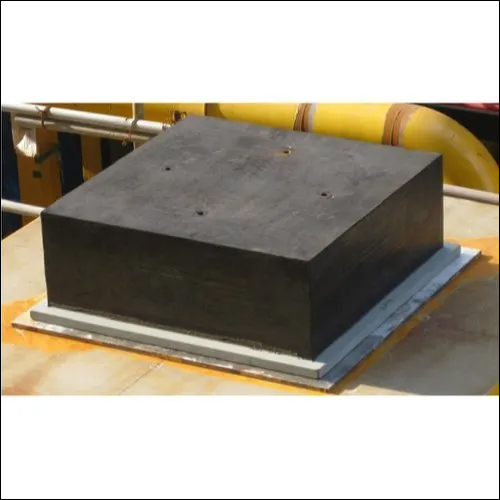
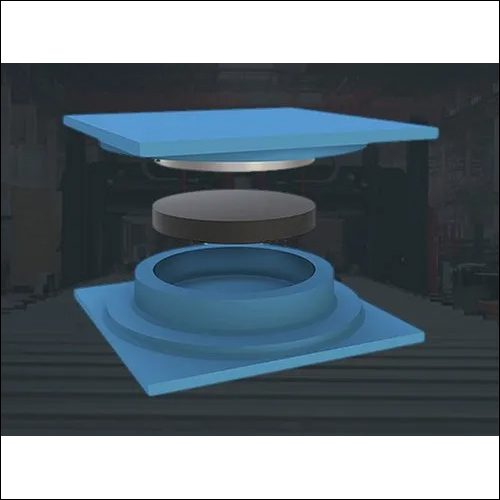
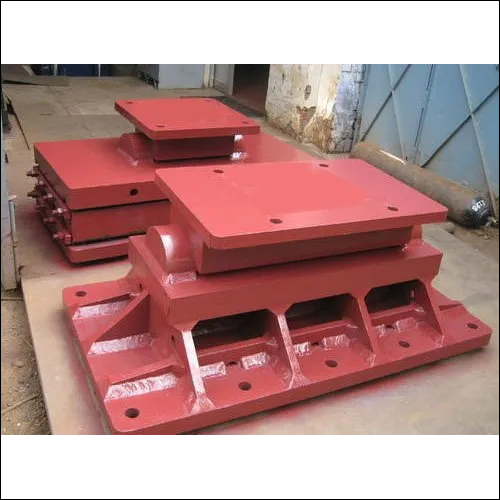
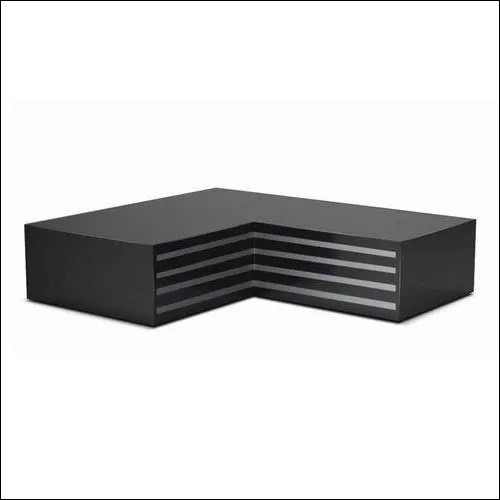
A neoprene bridge bearing pad is a type of bearing pad used in bridge construction to support and facilitate the movement of the bridge structure.
Neoprene is a synthetic rubber material that is resistant to a wide range of environmental conditions, including high and low temperatures, moisture, and chemicals. This makes it an ideal material for use in bridge construction, where the bearing pad is subject to heavy loads and exposure to the elements.
The neoprene bridge bearing pad is typically placed between the bridge deck and the bridge piers or abutments. It acts as a cushion between the two structures, absorbing the forces generated by the movement of the bridge and distributing them evenly across the surface of the bearing pad.
Neoprene bridge bearing pads come in various sizes and shapes, depending on the requirements of the bridge construction project. They are usually designed to withstand heavy loads and movements in all directions, including rotation, translation, and deflection.
Overall, neoprene bridge bearing pads are a critical component of bridge construction, helping to ensure the safety and longevity of the bridge structure by reducing stress on the bridge and protecting it from damage caused by movement and vibration.
Durable and Long-Lasting PerformanceMade from high-grade neoprene rubber, our bridge bearing pads offer remarkable longevity, even under heavy loads and harsh environmental conditions. The resilient material reduces wear and tear, extending the lifespan of bridges and minimizing maintenance frequency.
Versatile Size Selection for Industrial NeedsAvailable in a wide range of sizes-from 200 x 350mm to 550 x 550mm-these pads are adaptable to various bridge designs and load requirements. This flexibility ensures compatibility with both small-scale and large-scale industrial bridge projects.
FAQ's of Neoprene Bridge Bearing Pad:
Q: How does a Neoprene Bridge Bearing Pad benefit industrial bridge structures?
A: Neoprene Bridge Bearing Pads help absorb movements, minimize vibrations, and distribute loads efficiently. Their flexibility and resilience significantly prolong the life of bridge structures by protecting against environmental stress and heavy traffic.
Q: What is the primary purpose of using neoprene rubber in bridge bearing pads?
A: Neoprene rubber is selected for its outstanding flexibility, durability, and resistance to aging, weathering, and chemicals, making it ideal for withstanding the dynamic forces within industrial bridge applications.
Q: When should a Neoprene Bridge Bearing Pad be installed on a bridge?
A: These pads are typically installed during the construction or major renovation of a bridge to provide foundational support and facilitate safer movement and expansion of structural components.
Q: Where are these Neoprene Bridge Bearing Pads manufactured and supplied from?
A: Our pads are manufactured and supplied directly from India, ensuring strict adherence to quality standards and timely delivery across domestic and international markets.
Q: What is the process for ordering custom-sized Neoprene Bridge Bearing Pads?
A: To order custom sizes, simply specify your exact requirements-including desired dimensions-when contacting us. Our manufacturing process is equipped to accommodate a wide range of size specifications for diverse bridge applications.
Q: How should these pads be used for optimal effectiveness?
A: For maximum efficiency, the pads should be installed between bridge beams and piers, allowing for controlled movement, evenly distributed pressure, and absorption of shocks to prevent structural damage.


 Get a Quote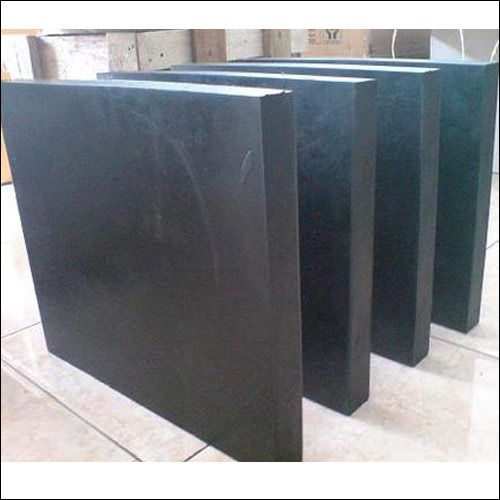




 Send Inquiry
 Send Inquiry
 Send SMS
