Product Description
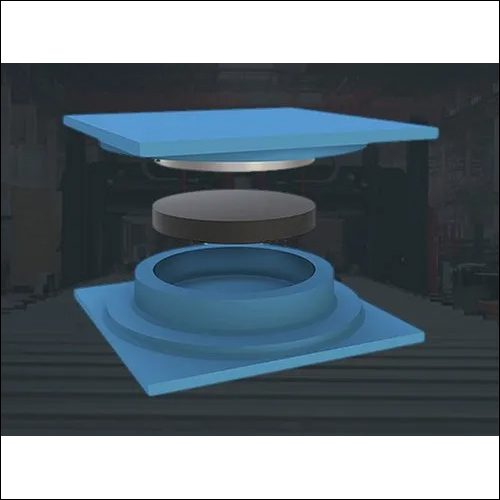
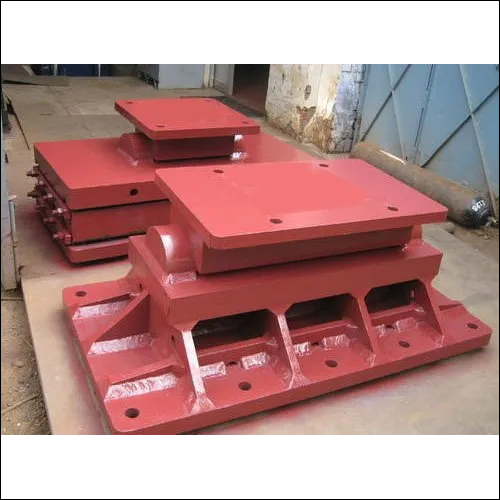
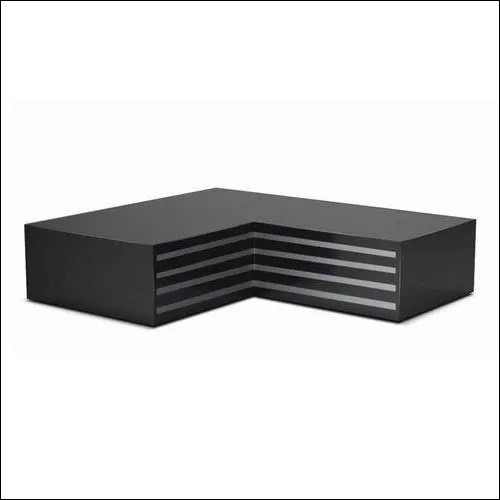
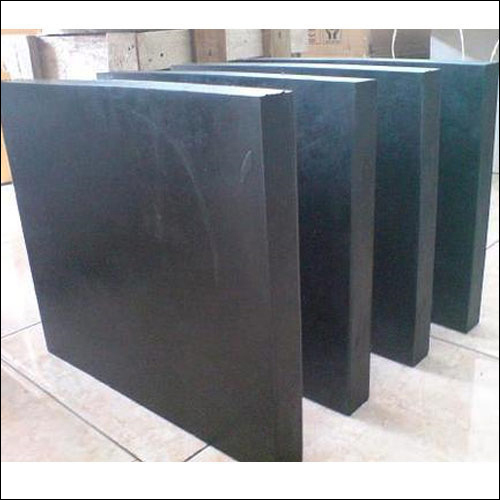
An elastomeric rubber bearing is a type of bearing that is made of layers of rubber and steel plates that are designed to provide structural support to bridges, buildings, and other structures. These bearings are designed to absorb and dampen the energy from seismic waves, wind, and other natural forces that can cause damage to structures.
Elastomeric bearings work by providing a flexible interface between the structure and the ground. When seismic waves or other forces act on the structure, the bearings compress and deform, absorbing the energy and preventing it from being transferred to the structure. This helps to protect the structure from damage and reduce the risk of collapse.
Elastomeric rubber bearings are commonly used in seismic retrofitting and new construction projects. They are preferred over traditional bearings, such as steel bearings or sliding bearings, because they are more cost-effective, easier to install, and require less maintenance. They also have a longer lifespan and can withstand a wider range of temperatures and environmental conditions.
Overall, elastomeric rubber bearings are an important component of modern construction projects, helping to protect structures and ensure their longevity and safety.
| Brand |
Siddhi |
| Material |
Rubber & Steel |
| Size |
As Per Drawing |
| Thickness |
10mm to 200mm |
| Breath |
25 year |
| Load Capacity |
50 tone |
| Hardness |
60-65 |
| Shape |
Rectangular |
| Country of Origin |
Made in India |
| Type of Bearing |
Elastomeric |
Robust Support for Bridges and IndustryDesigned specifically for bridge and industrial applications, our elastomeric rubber bearings combine the strength of steel with the flexibility of rubber. They efficiently accommodate movement, vibration, and load fluctuations, enhancing structural stability and safety.
Hassle-Free Installation and MaintenanceThese gray elastomeric bearings are engineered for easy installation, streamlining project timelines and reducing labor costs. Their robust construction ensures low maintenance requirements, making them an economical choice for long-term infrastructure projects.
FAQ's of Elastomeric Rubber Bearing:
Q: How are elastomeric rubber bearings installed on bridges?
A: Elastomeric rubber bearings are designed for easy installation by positioning them between the bridge superstructure and substructure. Their standardized sizes and construction simplify alignment and placement, often eliminating the need for specialized tools or techniques.
Q: What are the main benefits of using elastomeric rubber bearings in bridges and industrial settings?
A: These bearings offer several advantages, including effective vibration absorption, accommodation of thermal expansion, and enhanced load distribution. This helps prolong the bridge lifespan, reduces maintenance intervals, and increases safety for both bridges and industrial structures.
Q: When should elastomeric rubber bearings be considered for a project?
A: Elastomeric bearings are essential during the construction or rehabilitation of bridges and structures where controlled movement and load flexibility are required. They are typically specified at the design stage for projects anticipating significant load or temperature variations.
Q: Where are your elastomeric rubber bearings manufactured and supplied from?
A: Our elastomeric rubber bearings are manufactured and supplied from India, ensuring high standards in quality and reliable delivery for both domestic and international projects.
Q: What is the manufacturing process for these bearings?
A: The process involves bonding high-grade rubber layers with steel plates under controlled conditions to form a composite structure. This ensures the bearings have the required strength, flexibility, and durability for demanding bridge and industrial applications.
Q: How does the sizing of elastomeric rubber bearings affect their application?
A: With sizes ranging from 10mm to 200mm, our bearings can be selected to meet specific load requirements and spatial constraints, ensuring optimal support and performance for various bridge configurations and industrial structures.


 Get a Quote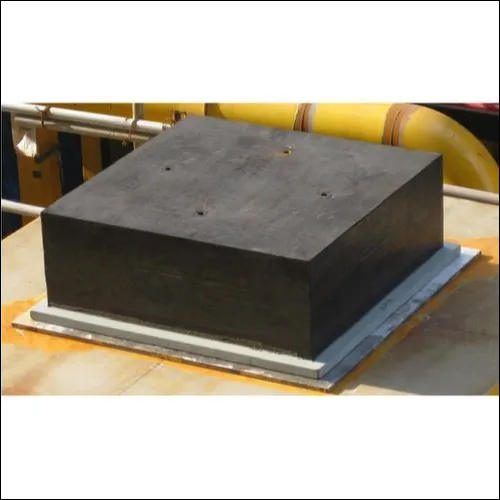




 Send Inquiry
 Send Inquiry
 Send SMS
