Product Description
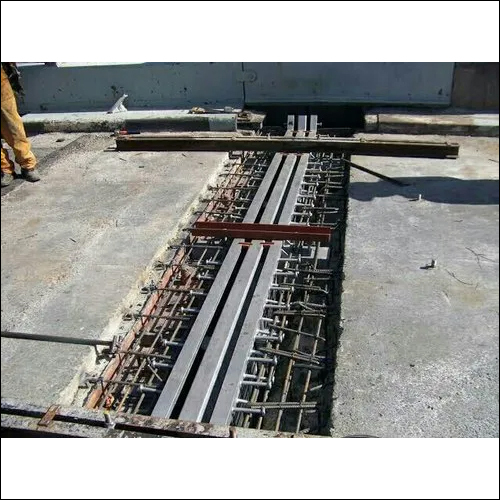
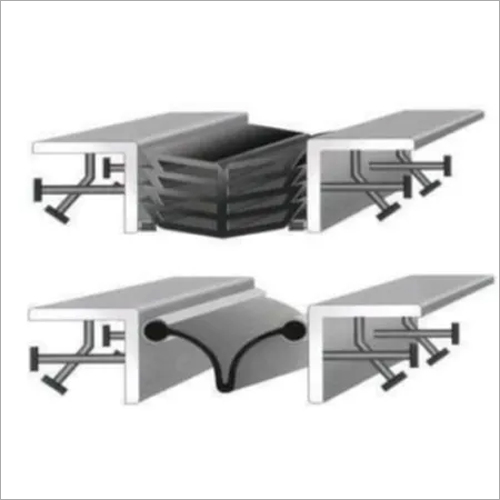
A compression seal expansion joint is a type of joint used in construction to allow for movement and expansion between two adjacent structures or sections of a building. It is typically used in large buildings, bridges, highways, and other structures that are subject to constant movement and environmental stress.
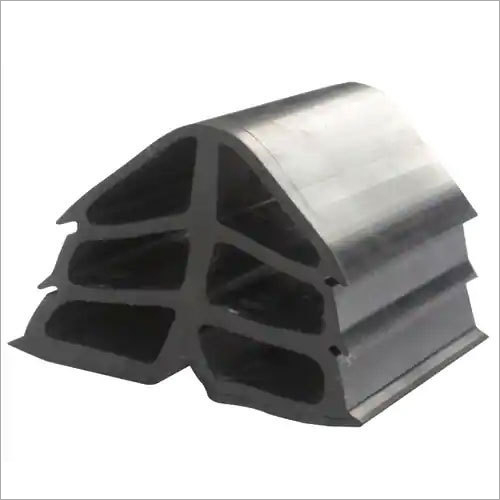
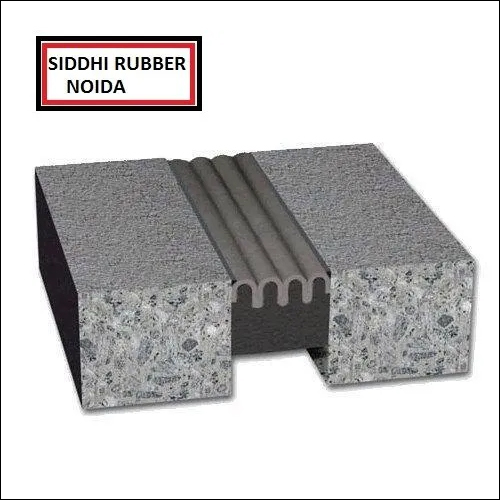
The compression seal expansion joint consists of two main components: the joint seal and the structural components. The joint seal is a flexible material, typically made of rubber or neoprene, which is inserted into a gap between two structures. The structural components are designed to provide support to the joint and prevent it from collapsing or being damaged under stress.
When the two structures move or expand, the compression seal expansion joint allows for this movement by compressing or expanding without causing damage to either structure. This helps to prevent cracks, leaks, or other structural problems that can occur when structures are subject to constant movement or environmental stress.
Overall, compression seal expansion joints play an important role in maintaining the safety and integrity of large structures, and are an essential component of many construction projects.
| Usage/Application |
Bridge, Railway etc |
| Brand |
Siddhi |
| Color |
Black |
| Density |
0.25 - 0.40 g/cm3 |
| Country of Origin |
Made in India |
| Material |
Rubber |
Superior Flexibility and DurabilityThis expansion joint delivers exceptional flexibility, crucial for accommodating significant structure movements without compromising performance. With an elongation at break of at least 300% and high resistance to UV exposure, water, oil, and chemicals, it retains integrity even under tough conditions, ensuring long-term reliability on bridges, highways, and industrial settings.
Easy Installation and MaintenanceEngineered for a simple push fit or adhesive bonded installation, this expansion joint drastically reduces downtime and labor costs. Available in various widths up to 300 mm and customizable shapes, it can be installed quickly without complex tools, while polished surfaces and forge construction allow for easy inspection and cleaning throughout its 15+ year service life.
FAQ's of Compression Seal Expansion Joint:
Q: How is the compression seal expansion joint installed?
A: The joint is designed for a straightforward installation, either through a simple push fit or using adhesive bonding. This flexibility allows for rapid and secure placement, minimizing downtime during bridge or structure maintenance.
Q: What are the key benefits of using this expansion joint in bridges and highways?
A: The joint's ability to accommodate both longitudinal and lateral movements, along with its excellent water tightness and resistance to UV, chemicals, and temperature extremes, ensures long-term protection of structural integrity in demanding transportation applications.
Q: Where can this expansion joint be effectively applied?
A: It is ideal for use in bridges, highways, parking structures, and a variety of industrial environments that require robust movement accommodation, water tightness, and chemical resistance.
Q: What is the expected lifespan of this expansion joint, and what contributes to its longevity?
A: With a projected lifespan of over 15 years, its longevity is ensured by high-quality forging techniques, UV and chemical resistance, strong elongation properties, and durable surface treatments.
Q: How does the product maintain water tightness in challenging conditions?
A: The joint's design and material composition provide a watertight seal that prevents ingress of water, oil, and chemicals, even under high pressures up to 10 bar and temperature variations up to 120C.
Q: What types of movements can this expansion joint accommodate?
A: It is engineered to handle both longitudinal and lateral movement within a structure, helping to prevent damage caused by temperature fluctuations, load variations, and structural shifts.
Q: Are there customizable sizes or shapes available for this expansion joint?
A: Yes, in addition to the standard rectangular shape and widths up to 300 mm, customized solutions are available to suit specific structural designs and requirements.


 Get a Quote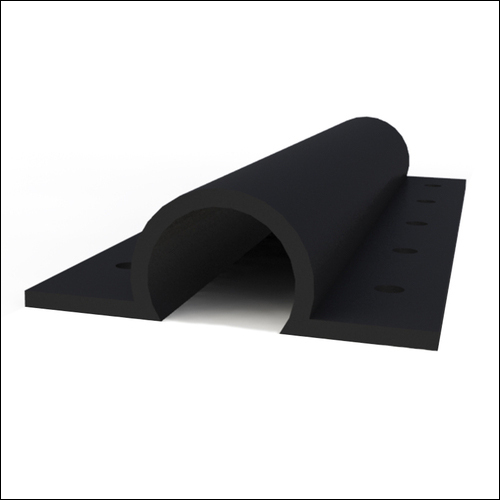




 Send Inquiry
 Send Inquiry
 Send SMS
 Call Me Free
