Product Description
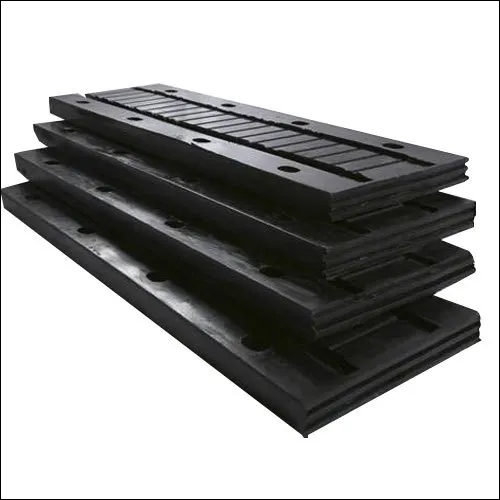
A bridge movement joint is a specialized component used in the construction of bridges and other structures that are designed to move or expand due to changes in temperature, moisture, or other factors. Movement joints are necessary because bridges are typically made of materials that are subject to thermal expansion and contraction, and they must also be able to withstand the loads and stresses placed upon them by traffic, wind, and other environmental factors.
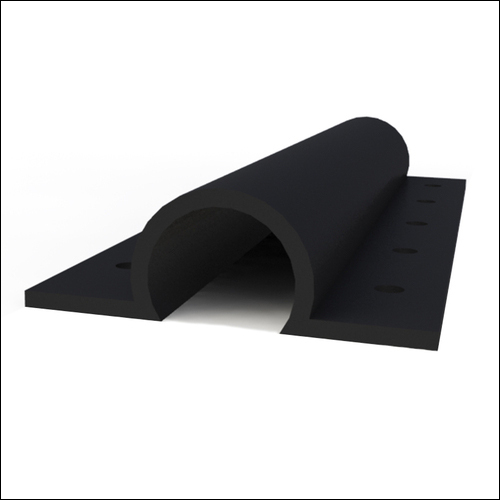
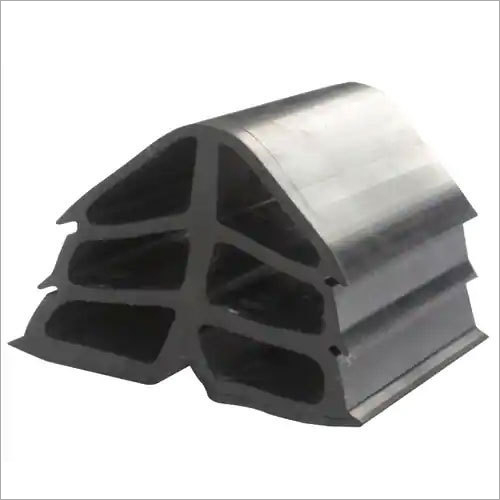
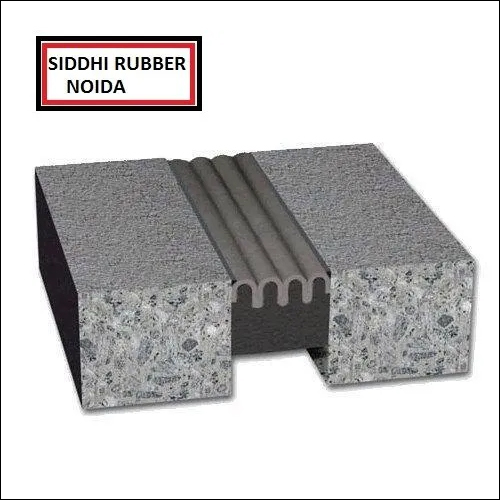
A bridge movement joint typically consists of two metal plates or beams that are separated by a gap or space. The plates are designed to slide against each other as the bridge expands or contracts, allowing for movement without causing damage to the structure. Movement joints may also include various types of seals or gaskets to prevent the ingress of water, debris, or other materials that could damage the joint or compromise the integrity of the bridge.
There are several different types of bridge movement joints available, including expansion joints, contraction joints, and sliding plate joints. The type of joint used will depend on the specific requirements of the bridge or structure being built, as well as the expected range of movement and other factors. Proper installation and maintenance of movement joints are critical to ensure the safe and effective operation of bridges and other structures over their design life.
| Usage/Application |
Bridges |
| Brand |
Siddhi |
| Material |
Rubber |
| Color |
Black |
| Hardness |
40 to 50 Shore A |
| Shape |
Rectangular |
Superior Movement AccommodationThis bridge movement joint seamlessly handles structural displacement up to 80 mm, making it suitable for bridges that experience dynamic expansions and contractions due to temperature shifts and heavy traffic. Its serpentine center gap ensures smooth movement, reducing stress on the bridge deck and prolonging overall structure life.
Long-Lasting and Resilient ConstructionManufactured from high-grade rubber and galvanized steel, this joint resists corrosion and weather-induced damage even in challenging climates. The surface is painted for additional protection, while the integrated steel flange plates and robust anchor mechanisms secure firm attachment to the bridge structure.
Efficient Noise and Vibration DampeningEquipped with a high-efficiency elastomer core, the joint effectively absorbs vibrations and dampens noise produced by vehicle passage. This feature enhances driver comfort and reduces noise pollution in urban and residential areas near bridge sites.
FAQ's of Bridge Movement Joint:
Q: How is the Bridge Movement Joint installed on bridges?
A: The joint can be installed either by casting it in-situ during new bridge deck construction or retrofitted onto existing decks. Installation involves securing the joint using anchor bolts and embedded steel channels, ensuring a stable and durable fit.
Q: What are the benefits of using this movement joint for highway and flyover bridges?
A: It accommodates up to 80 mm of displacement, dampens noise efficiently, and resists harsh weather and corrosion. The result is reduced maintenance needs, extended service life, and greater safety for highway and flyover bridge users.
Q: When should these joints be used on bridges?
A: These movement joints should be installed during new bridge construction or when existing expansion joints require replacement due to wear, damage, or insufficient movement capacity. They are particularly crucial where temperature fluctuations or heavy traffic loads occur.
Q: Where are these bridge movement joints typically applied?
A: They are designed for use in highway and flyover bridge decks and can be deployed in both urban and rural infrastructure projects throughout India. Their robust construction suits various environmental and operational conditions.
Q: What is the process for maintaining these movement joints?
A: Routine inspections should be conducted to check for signs of wear or damage. Cleaning the surface and checking the integrity of the anchor bolts and embedded channels ensures optimum performance and longevity of the joint.
Q: What compliance standards does this product meet?
A: The joint complies with ASTM D3542 and EN 1993-1-8 standards, ensuring reliability, safety, and quality as per international benchmarks for bridge expansion devices.


 Get a Quote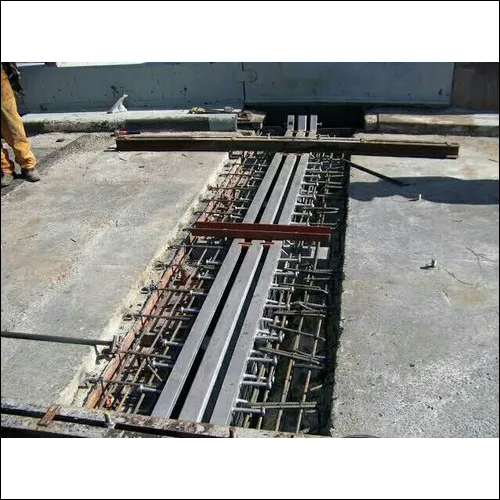




 Send Inquiry
 Send Inquiry
 Send SMS
