Product Description
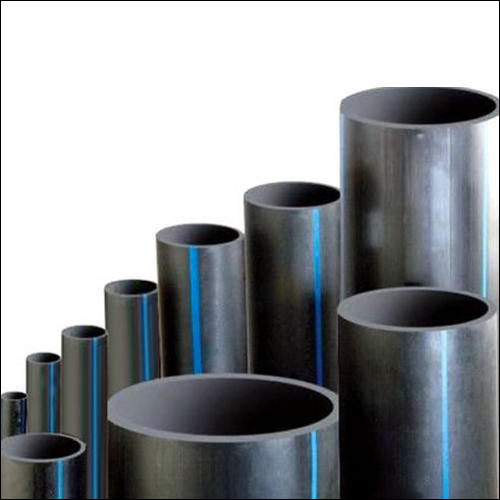
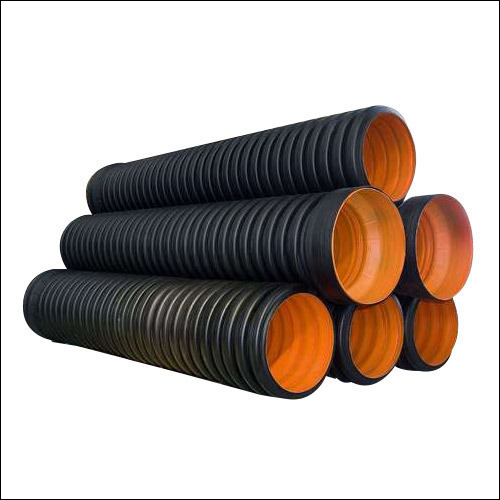
HDPE (high-density polyethylene) sewage pipes are commonly used for the transport of sewage and wastewater in underground applications. HDPE is a type of thermoplastic material that has high strength, durability, and chemical resistance, which makes it suitable for use in harsh environments.
HDPE sewage pipes are preferred over other materials such as PVC and concrete because they offer several advantages. These pipes are lightweight and flexible, making them easier to install and handle. They have a smooth inner surface that reduces friction and prevents blockages, which improves the flow of sewage and reduces the need for maintenance. HDPE pipes are also resistant to corrosion and chemical attacks, ensuring a longer service life compared to other materials.
The installation of HDPE sewage pipes requires careful planning and design to ensure proper alignment and support. HDPE pipes are typically joined using heat fusion techniques, which create a strong and leak-proof joint. Proper installation and maintenance of HDPE sewage pipes are essential to ensure the long-term performance and reliability of the sewage system.
Superior Quality and ComplianceThese HDPE sewage pipes are manufactured using high-grade materials and strictly adhere to ASTM standards, ensuring reliability in even the most demanding industrial environments. The pipes demonstrate exceptional durability and longevity, making them a cost-effective solution for sewage management systems.
Efficient Sewage TransportDesigned specifically for industrial usage, our HDPE sewage pipes feature a round shape and optimized wall thickness. The 6-meter lengths allow for quick installation and fewer joints, minimizing leakage risks and maintenance needs. Their smooth interior enhances flow efficiency for both new and replacement projects.
FAQ's of HDPE Sewage Pipe:
Q: How are HDPE sewage pipes installed for industrial use?
A: HDPE sewage pipes are joined using butt fusion, electrofusion, or mechanical fittings methods, which ensure strong, leak-proof connections suitable for high-volume industrial sewage systems. Professional installation is recommended for optimal results.
Q: What are the primary benefits of using HDPE pipes for sewage systems?
A: HDPE sewage pipes offer excellent corrosion and chemical resistance, low maintenance needs, lightweight handling, and a long service lifespan compared to traditional materials, making them ideal for harsh industrial conditions.
Q: When should I consider replacing existing sewage pipes with HDPE alternatives?
A: Consider upgrading to HDPE pipes if current sewage lines are experiencing frequent leaks, corrosion, or blockages, or if you are expanding industrial infrastructure and require enhanced durability and flow efficiency.
Q: Where are these HDPE sewage pipes predominantly used?
A: These pipes are extensively used in industrial zones, large manufacturing units, wastewater treatment plants, and any facility that demands robust and reliable sewage conveyance systems.
Q: What is the standard length and color of the HDPE sewage pipes you supply?
A: We offer HDPE sewage pipes in a standard length of 6 meters and a professional gray color, aiding in easy identification and uniform system design.
Q: What is the manufacturing and quality process followed for HDPE pipes?
A: Our HDPE sewage pipes are manufactured under stringent ASTM standards, employing advanced extrusion technology and thorough quality checks to ensure consistent performance and compliance with industry requirements.


 Get a Quote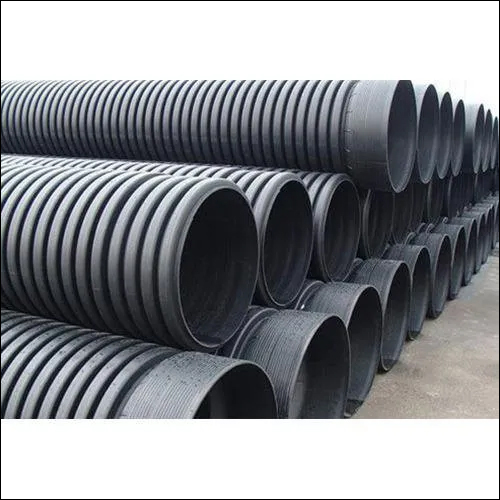




 Send Inquiry
 Send Inquiry
 Send SMS
 Call Me Free
