Product Description
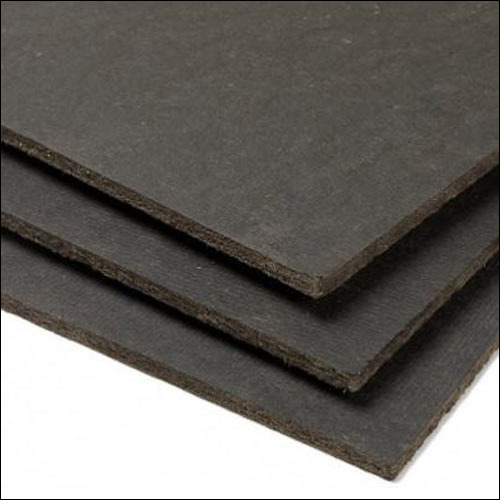
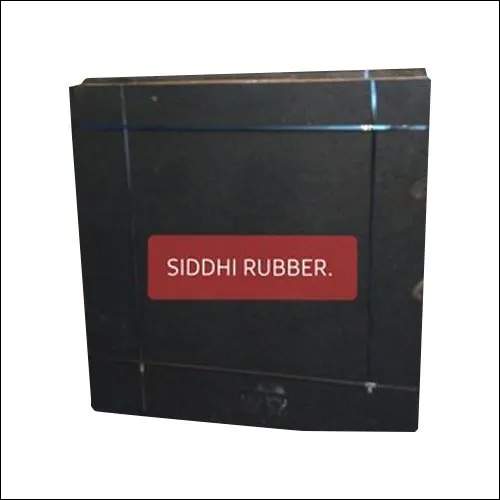
Expansion joint filler board, also known as expansion joint foam or expansion joint filler, is a compressible material used to fill and protect expansion joints in buildings, bridges, roads, and other structures. Expansion joints are gaps between two structural elements that allow for thermal expansion and contraction, as well as movement due to other factors such as wind, seismic activity, and settlement.
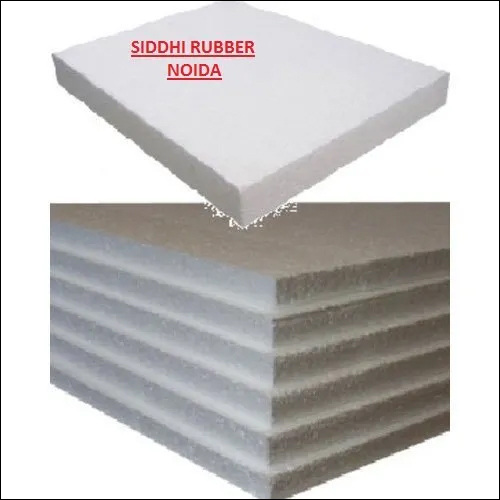
Expansion joint filler board is typically made from closed-cell polyethylene foam, which is resistant to water, chemicals, and most common solvents. It is available in a range of thicknesses and widths to suit different joint sizes, and can be easily cut to fit the required dimensions.
The primary function of expansion joint filler board is to prevent debris, water, and other foreign materials from entering the joint, which can cause damage and corrosion over time. It also provides a compressible buffer that allows for movement and expansion without causing stress on the adjacent structural elements.
When installing expansion joint filler board, it is important to ensure that it is firmly compressed in the joint to prevent it from popping out. The filler board is typically covered with a joint sealant or other type of flexible seal to further protect the joint from the elements. Proper installation and maintenance of expansion joint filler board can extend the lifespan of a structure and prevent costly repairs in the future.
| Brand |
Siddhi |
| Size |
4 x 4 feet |
| Material |
Dry wood fibers impregnated with bitumen |
| Usage/Application |
Road,Bridge,Highway,Building Structure etc |
| Shape |
Square |
| Temperature |
-80 to +100 deg C |
| Density |
250 kg/m3 |
| Thickness |
12mm,18mm,25mm |
Engineered for Durable Joint ProtectionOur expansion joint filler board provides outstanding separation and movement absorption between concrete or masonry works. Its compression moulded, polished structure allows for optimal elasticity and resilience. With a density of 320-400 kg/m3, the board is designed to last even under frequent loading or harsh industrial environments, ensuring minimal maintenance and reliable performance.
Versatile and Easy InstallationSupplied in rectangular shapes with widths up to 1.22 meters and lengths up to 2.44 meters, the expansion joint filler effortlessly fits between slabs, requiring no complex tools or processes. Its compatibility with atmospheric working pressure and ability to withstand up to 70C make it well-suited for diverse construction needs across commercial and industrial sites.
FAQ's of Expansion Joint Filler Board:
Q: How is the expansion joint filler board typically installed?
A: The expansion joint filler board is placed between concrete or masonry slabs during construction, ensuring proper alignment. No adhesives or special tools are needed, making the process efficient and straightforward.
Q: What benefits does this filler board offer for industrial applications?
A: It delivers excellent recovery after compression, low water absorption, and high durability. This ensures long-lasting protection against joint cracking, reduces maintenance, and accommodates thermal and structural movement.
Q: When should I use an expansion joint filler board?
A: Expansion joint filler boards should be used during the pouring or setting of concrete or masonry to create a flexible buffer that absorbs expansion and contraction, preventing cracks or structural damage over time.
Q: Where are these boards typically used?
A: They are commonly used in industrial flooring, bridges, retaining walls, highways, and buildings-anywhere precise separation of concrete or masonry units is essential for stress relief and movement accommodation.
Q: What is the process for manufacturing this board?
A: The board is produced using compression moulding techniques, resulting in a dense, resilient material with a polished surface finish and consistent thickness for reliable performance.
Q: How does the board help with water resistance?
A: With a water absorption rate of less than 15%, the board resists moisture penetration, thus prolonging structure life and preventing water-related joint deterioration.


 Get a Quote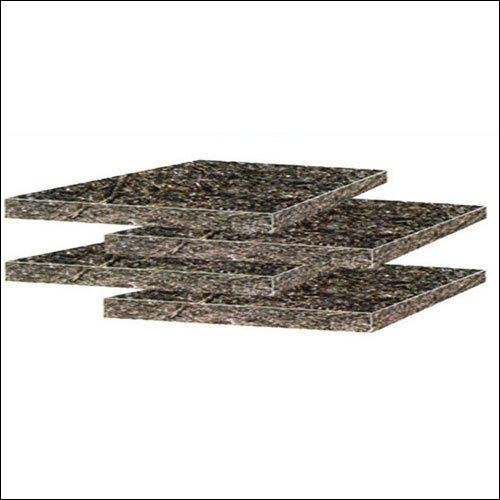




 Send Inquiry
 Send Inquiry
 Send SMS
 Call Me Free
